
"coffee bean texture"
10000 article(s) found

Acidity texture of Ethiopian Yega Sheffivoka Coffee Flavor Flavor Manor Market Development
Coffee is Ethiopia's most important export cash crop and the main source of Ethiopia's foreign exchange earnings. Ethiopia's coffee exports account for about 3% of the world market, making it the eighth largest coffee exporter in the world. Coffee exports increased steadily from 58000 tons in 1990 to 110000 tons in 1995-1996 and remained at this level in the following years. 2001-2002

Costa Rican Coffee Bean Baking Review Flavor description introduction to the Origin of texture Grinding Calibration treatment
Costa Rican coffee bean roasting review flavor description taste grinding scale treatment Origin introduction to the Laminita Farm in Tara Pearl area, its strict management has established a world-class reputation and is popular in Europe and the United States for more than half of the century. it can be called a world-famous coffee farm. Lamini Tower means a small gold mine. Before the Spanish colonization, the Indians used to dig for gold at the present farm location.

Introduction of Coffee Manor producing area in Colombia
The best Colombian beans, similar to Costa rica or Hawaiian Cona beans, are non-extreme coffee, rich in texture, but not as strong as Sumatra; rich in aroma, but not as good as the best Jamaican alpine flavor; sour, but not as sour as Antigua acid. It often has a sweet taste like caramel, similar to the aroma of pudding, smells lack of sour fruit, reminiscent of milk frying
Detailed introduction of the concentration of Espresso
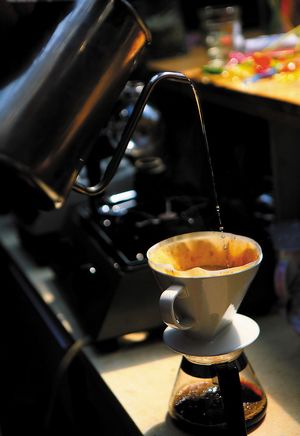
When you talk about concentration (strength), you may be talking about one of the following three things: flavor strength, texture, weight or viscosity, the concentration of soluble flavor substances in coffee, which often appear in the same sentence. To avoid confusion, I define it here as follows: when I use concentration (strength), I use concentration and light to express the concentration of coffee soluble flavor substances, or TDS (all
Introduction to Colombian coffee bean producing area, manor, flavor, characteristics and taste
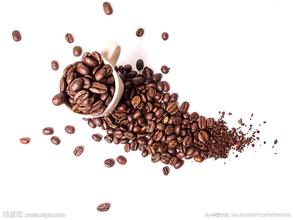
The most famous Medellin in the Central Mountains has a thick texture, rich aroma and well-balanced sour taste, while Armania and Manizares are not so good, but in the market these three kinds of beans will be regarded as the same kind of beans to circulate, called "MAM". If you buy a bag of MAM, it means it could be any of these three kinds of beans, which is similar to Medellin.

A brief introduction to the treatment method of grinding degree and baking degree of medium texture Peruvian boutique coffee beans
Peru is located in western South America, with a coastline of 2254 kilometers. The Andes runs from north to south, and the mountains account for 1% of the country's area. it belongs to the tropical desert region with a dry and mild climate. Peruvian coffee is mostly grown at the foot of the Andes, where it is rich in traditional Central American top coffee beans. Peruvian coffee beans grown in the central part of the country and Cusco in the south

Acidity and texture of Ethiopian Fine Coffee Bean Flavor and Taste Manor
35% of the coffee is courtyard coffee. In this kind of coffee garden, the planting is three-dimensional. Coffee is located in the lower layer and gets a suitable growth environment in the shade of other crops. Fertilizers are mainly fallen leaves, withered grass and animal manure. 5% of the coffee belongs to plantation coffee. This is a modern way of growing coffee, which is also grown in forests, but uses new varieties and works with others.

Flavor description of washed Coffee treated with Solar Coffee Honey characteristics of varieties produced by texture grinding scale
Description of the flavor of washed coffee sunny coffee honey treatment the characteristics of varieties produced by grinding scale honey treatment is called HoneyProcess or MielProcess, honey treatment is the method of peeling off the pulp and drying the fruit with endocarp. Coffee plantations in Costa Rica (CostaRica), Panama (Panama) and Guatemala (Guatemala) have adopted

What kind of coffee pot is good for sour coffee?
What kind of coffee pot is used to make sour coffee? What kind of good texture is the texture of coffee in the mouth, which is directly proportional to the amount of colloidal suspension in the coffee. Because the whole mouth will feel the texture, we use "rich" to describe thick coffee, otherwise we use "single."

Coffee in South America
[Colombia] is the world's second-largest coffee producer, accounting for about 12% of the world's annual production, although much lower than the 30 to 35% of Brazil, most of which are high-quality alpine washed beans. Central Colombia is divided into several valleys by three north-south vertical mountains, of which the central and eastern mountains are the main coffee producing areas. Coffee here is named after the market of distribution,

Introduction of El Salvador Himalayan Coffee Flavor Manor with excellent texture
Salvadoran coffee ranks side by side with Mexico and Guatemala as the producers of Asa and Merdo, and is fighting for the top one or two places in China and the United States with other countries. The highlands of origin are large coffee beans of all sizes, which are fragrant and mild in taste. Like Guatemala and Costa Rica, coffee in El Salvador is graded according to altitude, and the higher the altitude, the better the coffee

Introduction to the characteristics of Indonesian Kopi Luwak Flavor Manor and Arabica Coffee Manor
Kopi Luwak is produced by the feces of Indonesian coconut cats (a kind of civet) as raw materials, so it is called Kopi Luwak. This kind of animal mainly feeds on coffee beans. After completing fermentation in the coconut cat's stomach, it destroys proteins, produces short peptides and more free amino acids, reduces the bitterness of coffee, and then excretes feces as the main raw material. Because coffee beans cannot be digested, they will be excreted.

Coffee History of South America
[Colombia] is the world's second-largest coffee producer, accounting for about 12% of the world's annual production, although much lower than the 30 to 35% of Brazil, most of which are high-quality alpine washed beans. Central Colombia is divided into several valleys by three north-south vertical mountains, of which the central and eastern mountains are the main coffee producing areas. Coffee here is named after the market of distribution,

Recommended by Chongqing boutique cafe-Holico coffee holic online celebrity coffee from all over the world
Professional coffee knowledge exchange more coffee bean information please follow coffee workshop (Wechat official account cafe_style) Chongqing boutique cafe Holico coffee holic: here is a collection of online celebrities from all over the world coffee bean recommendation reason the owner is a coffee lover, in this shop, you can not only see the best coffee beans from all over the world, but also see the texture

Introduction of washed beans, flavor, taste, etc.
Coffee beans are mostly washed beans, which are thicker in texture, but also highly acidic, and contain the taste of wild mushrooms and similar Chinese herbal medicine, which are not liked by many people, and most of them are sold to the United States and Japan. Aged coffee beans are also famous in Celebes, but they are very expensive and have to be stored in a warm and humid climate for the best results. The old coffee beans are
History of Coffee in South America
[Colombia] is the world's second-largest coffee producer, accounting for about 12% of the world's annual output, which is much lower than Brazil's 30% to 35%, but most of them are high-quality mountain-washed beans. Central Colombia is divided into valleys by three north-south longitudinal mountains, of which the central and eastern mountains are the main coffee producing areas. The coffee here is named after the distributed market
South American coffee history boutique coffee bean species
[Colombia] is the world's second-largest coffee producer, accounting for about 12% of the world's annual output, which is much lower than Brazil's 30% to 35%, but most of them are high-quality mountain-washed beans. Central Colombia is divided into valleys by three north-south longitudinal mountains, of which the central and eastern mountains are the main coffee producing areas. The coffee here is named after the distributed market

Basic knowledge of Fine Coffee in South America
[Colombia] is the world's second-largest coffee producer, accounting for about 12% of the world's annual output, which is much lower than Brazil's 30% to 35%, but most of them are high-quality mountain-washed beans. Central Colombia is divided into valleys by three north-south longitudinal mountains, of which the central and eastern mountains are the main coffee producing areas. The coffee here is named after the distributed market

Introduction to the characteristics of Burundian Coffee varieties treated by texture Grinding Calibration method in Burundian Coffee producing area
The New York Exchange, together with the Burundian government and coffee producers and exporters, made a decision on 17 February 2005 to lower the pricing index of Burundian coffee listed on the Exchange by 200 points, or 2 cents per pound (equal to 50 Burundian francs per kilogram). Later, it was handed in in New York.

The Cultural History of Coffee in South America
[Colombia] is the world's second-largest coffee producer, accounting for about 12% of the world's annual output, which is much lower than Brazil's 30% to 35%, but most of them are high-quality mountain-washed beans. Central Colombia is divided into valleys by three north-south longitudinal mountains, of which the central and eastern mountains are the main coffee producing areas. The coffee here is named after the distributed market